
About Freetown Village
Our Mission
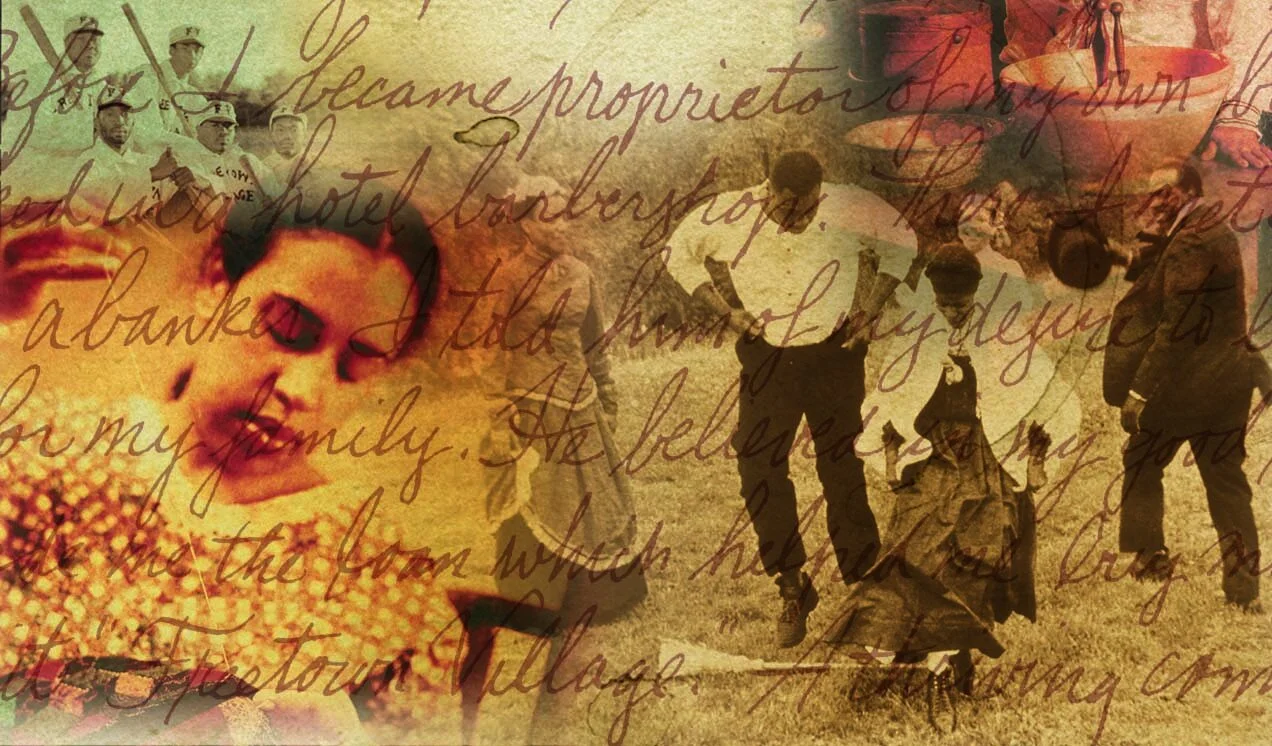
Freetown Village is a living history museum dedicated to educating the public about African American lives, arts, and culture in Indiana. Through immersive exhibits, programs, workshops and the collection and preservation of artifacts, we aim to celebrate Black history, strengthen communities, and ensure that Indiana embraces a rich, inclusive heritage that honors the past, uplifts the present and empowers future generations.
Board of Directors
Ophelia Wellington
Founding Director
Elizabeth M. Gore
Board Member
DiLynn Phelps
Board Member
Ray Biederman
Board Chair
Gwendolyn J. Kelly, Ph.D
Board Member
John Eddington
Board Member
Gillian Marks
Treasurer
Jann McMillian
Secrertary
Rebecca Rhodes
Board Member
““History, despite its wrenching pain cannot be unlived, but if faced with courage need not be lived again.””
Our Goals
To provide learning experiences in the history and culture of African Americans in Indiana.
To provide a historic resource center.
To encourage study and research about the past.
To provide a forum for historical entertainment and presentations.
To foster and promote understanding and respect for the history of African American culture and its contributions to our society.
Freetown Village Programs
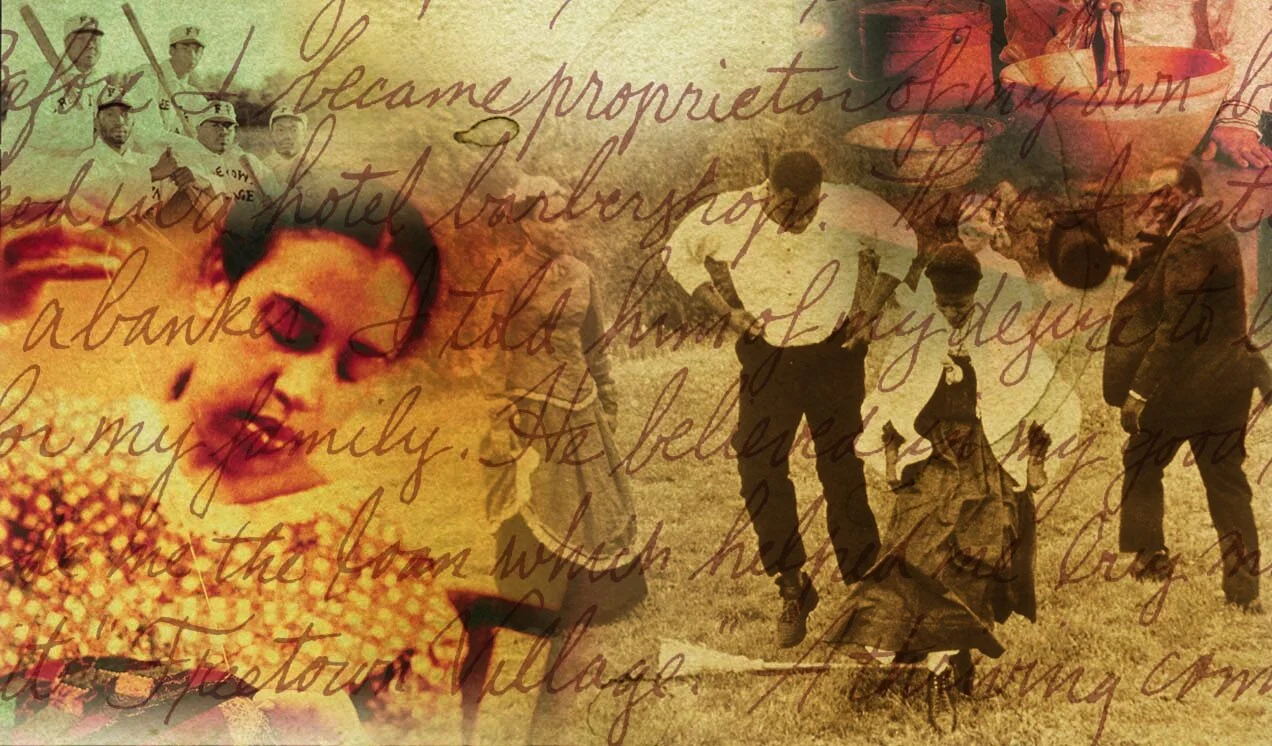
History of Freetown Village
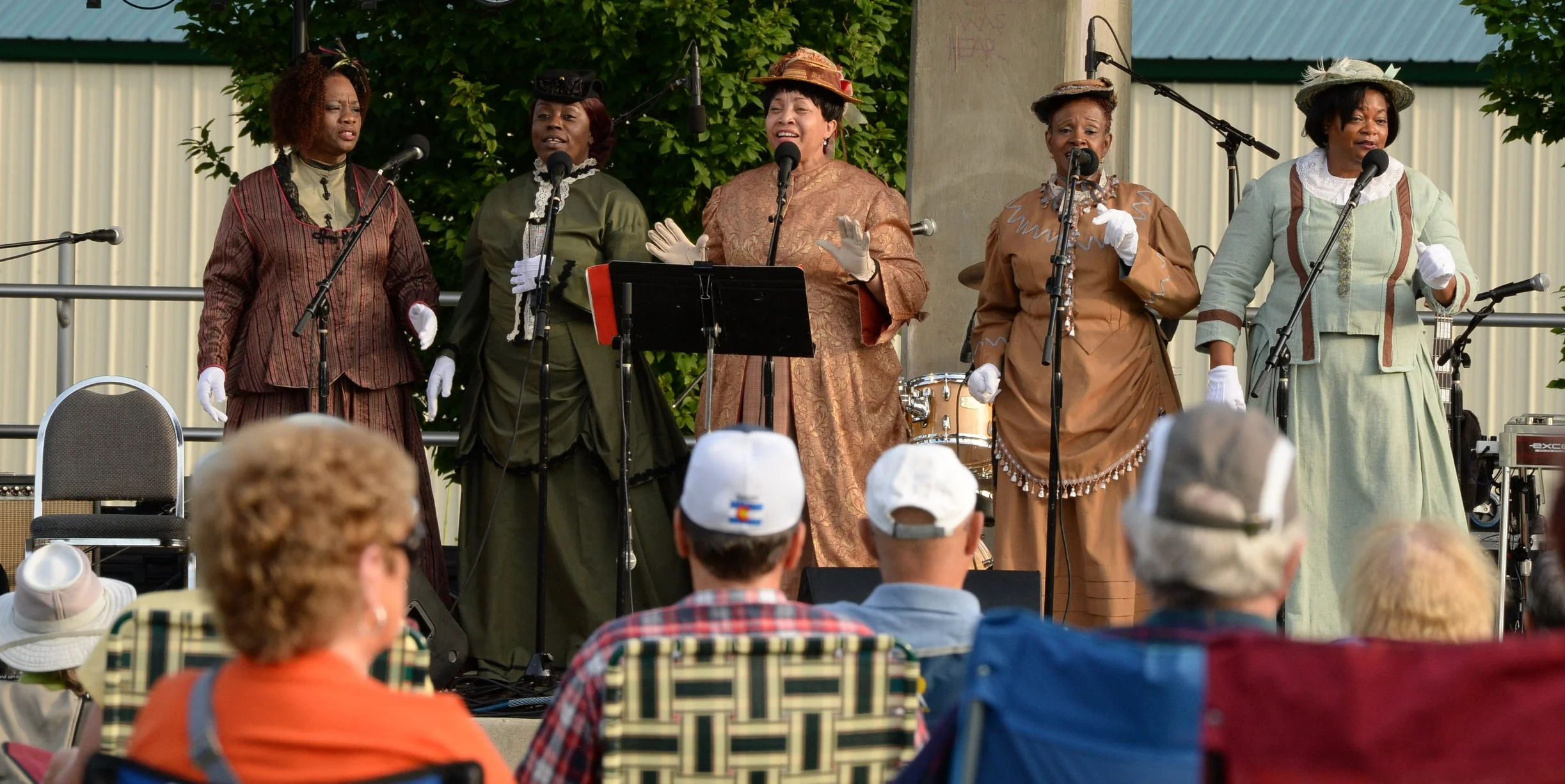
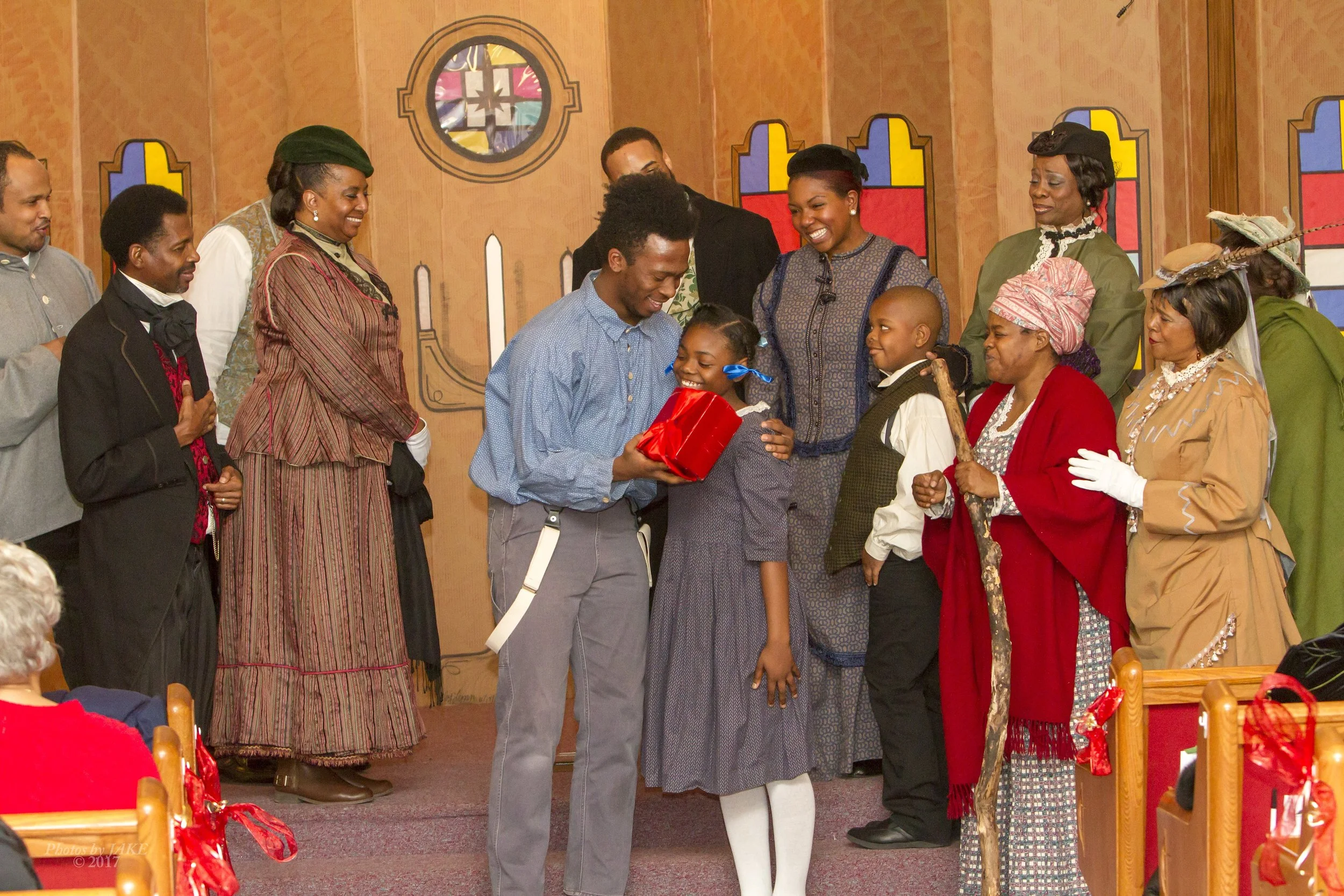
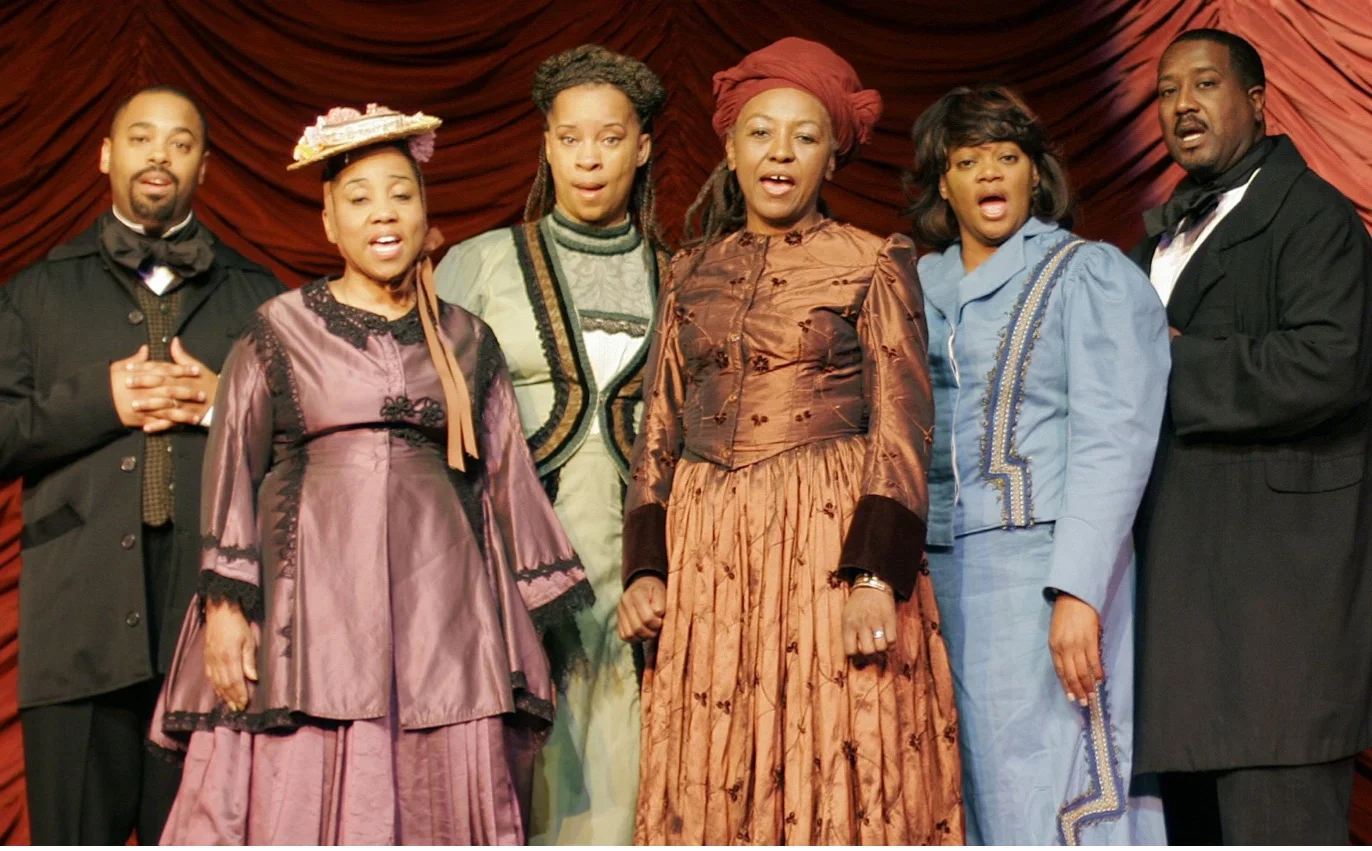
Freetown Village, Inc. is a living history museum without walls. The trials, triumphs, and daily life of African Americans are presented through theater, storytelling, folk crafts, heritage workshops, music, day camp, and special events. The town of Freetown Village is a symbolic community representing many of the predominantly African American settlements scattered throughout Indiana during the post-Civil War years. The residents of Freetown Village are composite characters of the approximately 3,000 men, women and children identified on the 1870 Indianapolis census.
The geographical focus is in the old Fourth Ward, the oldest African American settlement in Indianapolis and the oldest land development of the City of Indianapolis. In 1870, five years after the Civil War ended, towns grew and prospered. Many who were former slaves discovered a new-found freedom and control over their lives. African Americans could now be paid for their work, purchase land, attend school, be legally married and not be separated because of slavery.
Freetown Village was first conceptualized in 1982 by Ophelia Wellington out of her desire to teach African American history. With a small planning grant from the Indiana Humanities Council, this former educator organized a group of historians, educators, and arts/culture leaders to plan and implement a two-month pilot project at the Indiana State Museum in the fall of 1984. The pilot project consisted of two vignettes, a seamstress shop and a barbershop. The vignettes were comprised of actors/interpreters performing monologues at scheduled times. The success of the pilot project led to the development of the permanent exhibit in 1985. The opening was celebrated with local television and radio personalities portraying Freetown Village "residents". Funds from the Indiana Arts Commission helped to staff the exhibit. That exhibit closed in 2001.
Since 1982, Freetown Village has presented programs throughout the state of Indiana and to the contiguous Midwestern states reaching well over 1,000,000 children and adults in small and large communities. Programs have been presented in schools, churches, libraries, museums, theaters, centers, parks, hotels, offices, gymnasiums, parades, homes, and for almost every time of event or occasion.
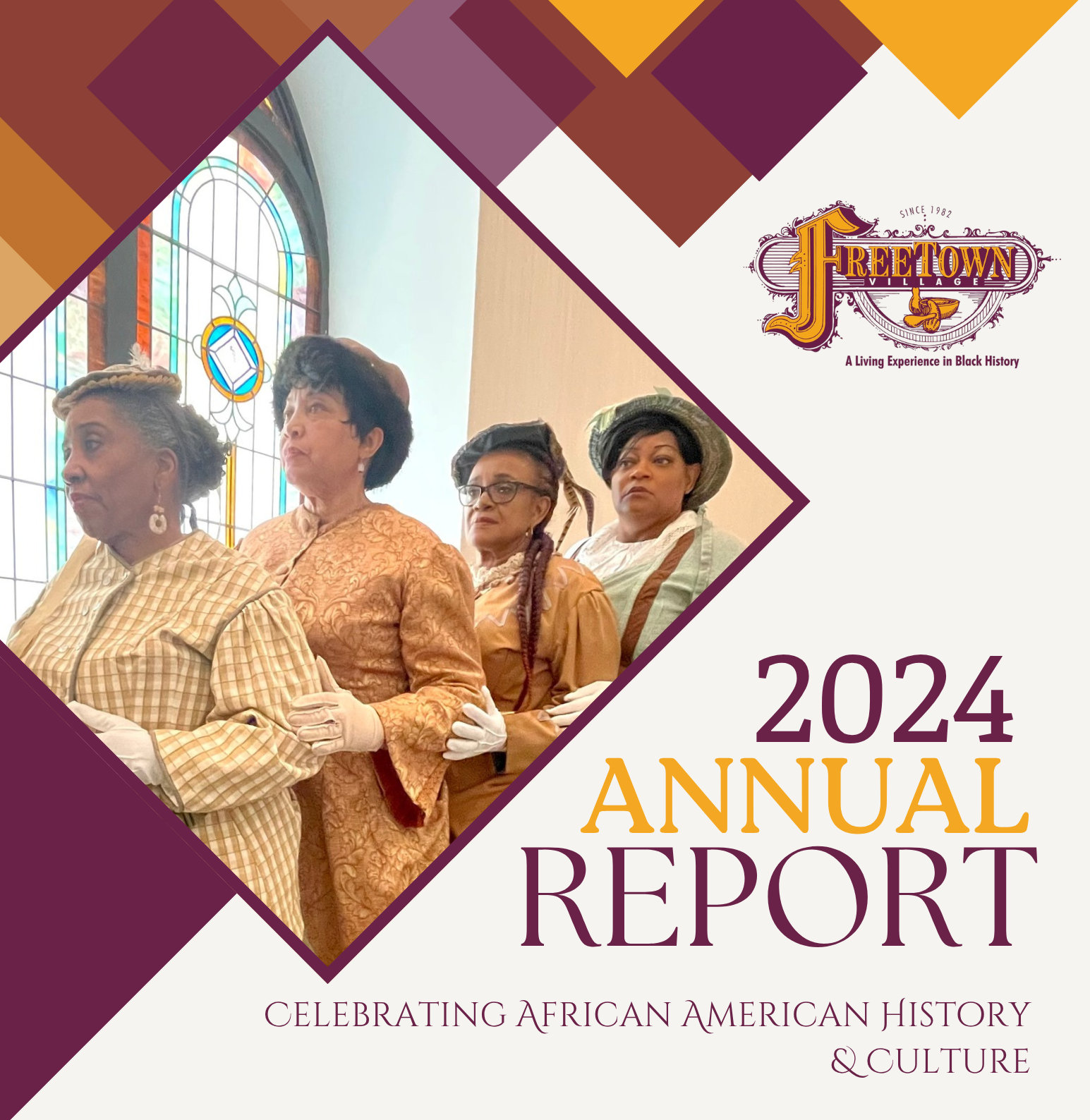
Annual Report
Twenty twenty-four was all about resilience, innovation, and growth—from launching new educational programs to building deeper community partnerships. Through it all, we stayed true to our mission: preserving and sharing the powerful stories of African American history and culture in Indiana.
Take a look at what we accomplished together—and get inspired for what’s next.
Keep History Alive — Inspire the Future
Your gift helps Freetown Village bring African American history to life across Indiana. Every donation supports educational programs, youth camps, and live performances that preserve our shared heritage and empower the next generation.